


An image circulating online raises a legitimate question: can Belgian police detain you for up to 12 hours without you committing a new offence? The short answer is yes, under certain conditions. Administrative detention is a deprivation of liberty distinct from judicial arrest and is strictly regulated by law. Here is what you need to know.
(Editorial team: Belgium / Justice & Society)
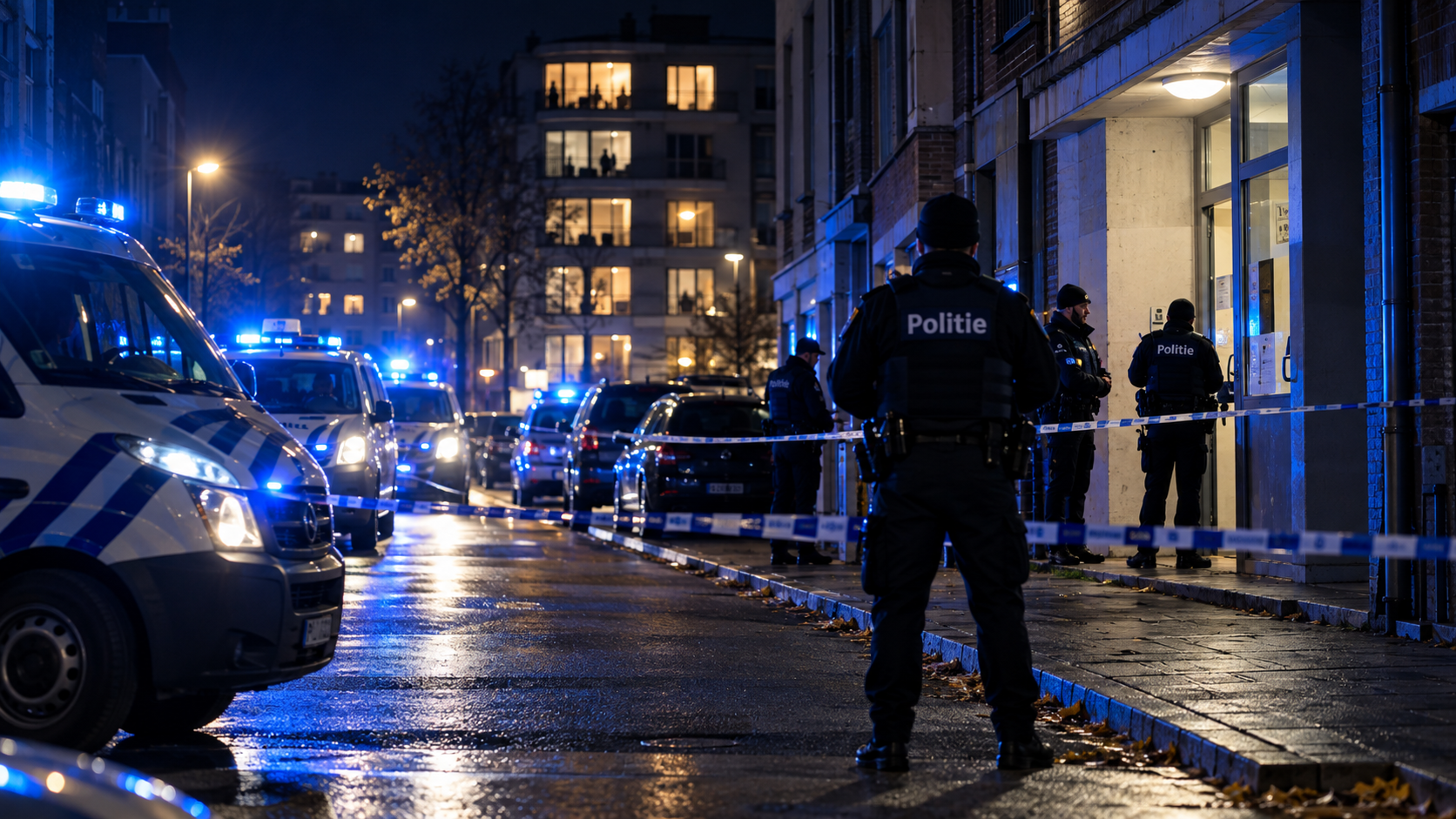
An image shared on social media showing a police patrol and the words “Up to 12 hours of detention without a new offence?” has brought renewed attention to a legal measure that is often misunderstood: administrative detention. Unlike judicial arrest, which concerns suspected criminal conduct and may involve a magistrate, administrative detention is a police measure that can be used without the person having committed a new criminal offence.
What is administrative detention?
Administrative detention is governed by the Police Functions Act. It is a short-term deprivation of liberty that police may use to prevent a breach of public order or to protect the person concerned or others. It is not a criminal penalty and does not automatically lead to judicial proceedings.
Under Belgian law, administrative detention may be used when:
- There are serious indications that the person poses a threat to public order;
- The person behaves in a way that seriously disturbs public peace;
- The person needs to be protected, for example because of severe intoxication or a mental-health crisis;
- There is a risk of imminent violent behaviour.
How long can detention last?
Administrative detention generally has a maximum duration of 12 hours. In specific situations provided for by law, the duration may be extended with authorisation from the competent authority, but not indefinitely. Police cannot hold someone without a legal basis.
Even during administrative detention, a person has a number of rights:
- The right to be informed of the reason for detention;
- The right to contact a lawyer;
- The right to notify someone close;
- The right to medical assistance when necessary;
- The right not to be subjected to degrading treatment.
How does it differ from judicial arrest?
Judicial arrest applies when there are suspicions that an offence has been committed. It may last longer and is subject to judicial oversight. Administrative detention, by contrast, is preventive and is not in itself a criminal charge.
Why the question “without a new offence”?
The confusion arises because administrative detention does not require a new criminal offence to have been committed. It may be used to prevent an incident or calm a tense situation. Police powers are nevertheless limited by law, and the measure may be challenged.
Conclusion
Administrative detention for up to 12 hours is a legal possibility in Belgium, but it is not a “punishment” and does not mean that the person is guilty of a crime. It is a public-safety measure governed by rules and accompanied by legal protections. If you find yourself in this situation, make sure you understand your rights and seek advice from a lawyer.



Leave a Reply