
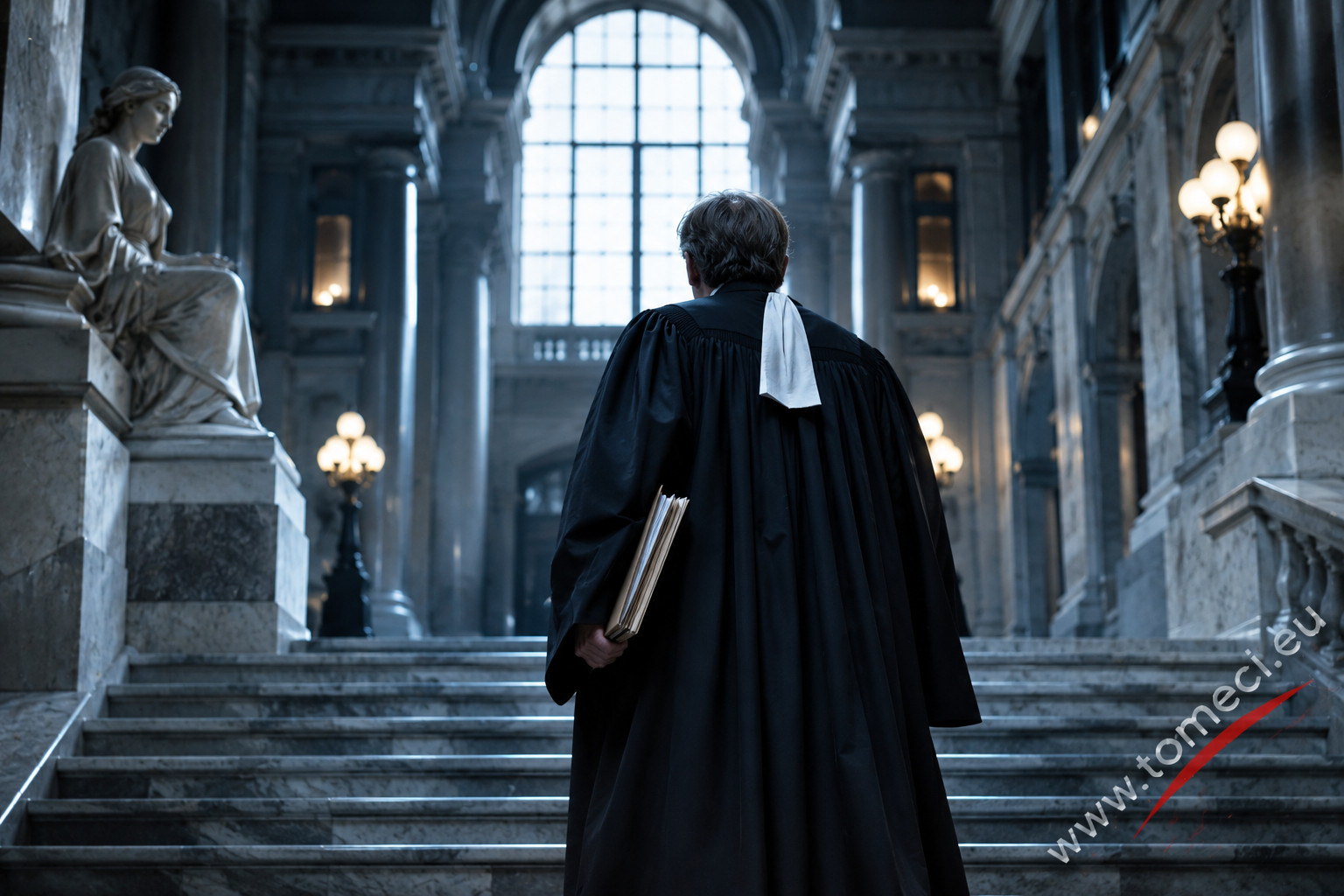

An appointment that defies explanation casts an uncomfortable light on the way justice, politics and traditional institutions intersect when key positions are at stake. Between the presumption of innocence and the demand for integrity, a grey area remains that no one seems willing to illuminate.
(Justice Desk)
Sometimes an official appointment says less about the person receiving the position than about the system supporting them. When a prosecutor general reaches the top of the Prosecutor’s Office with a difficult-to-explain case file in the background, the natural question is no longer “why her?” but “what makes this silence possible?”. In a country where institutions declare themselves independent, the echo of old and unresolved allegations can become more significant than any official speech.
The allegations surrounding the appointment are serious and specific: a case said to have involved dozens of minors, a long period during which institutions allegedly knew about it, and a promotion said to have taken place just as the subject became uncomfortable. Whether this was a communication failure or a politically endorsed decision, the question remains: how can someone under this shadow hold such an important position?
Supporters of the appointment invoke the presumption of innocence and the absence of a final ruling. Critics respond that this is not about a conviction, but about integrity and the ability to inspire confidence. Between the two positions lies a grey area that the justice system should clarify, but which, for now, it leaves to the media and public opinion.
A second layer of the problem concerns the influence of traditional institutions. In a context where the Church, politics and public administration are intertwined, prolonged silence can be as significant as a statement. If no one has spoken for years, the legitimate question is whether that silence resulted from ignorance or calculation.
A broader question remains, one that goes beyond a single name: what kind of people do we choose for key positions? Those who can be controlled, those who can be blackmailed, or those who can say “no” when necessary? Until the answer is clear, every new appointment will carry the same shadow.
The conclusion is not a verdict, but a question that deserves to be asked publicly: if integrity is not the main criterion for an appointment, what is? And if the suffering of some victims can be set aside in the name of political stability, how independent is the justice system we invoke?



Leave a Reply